

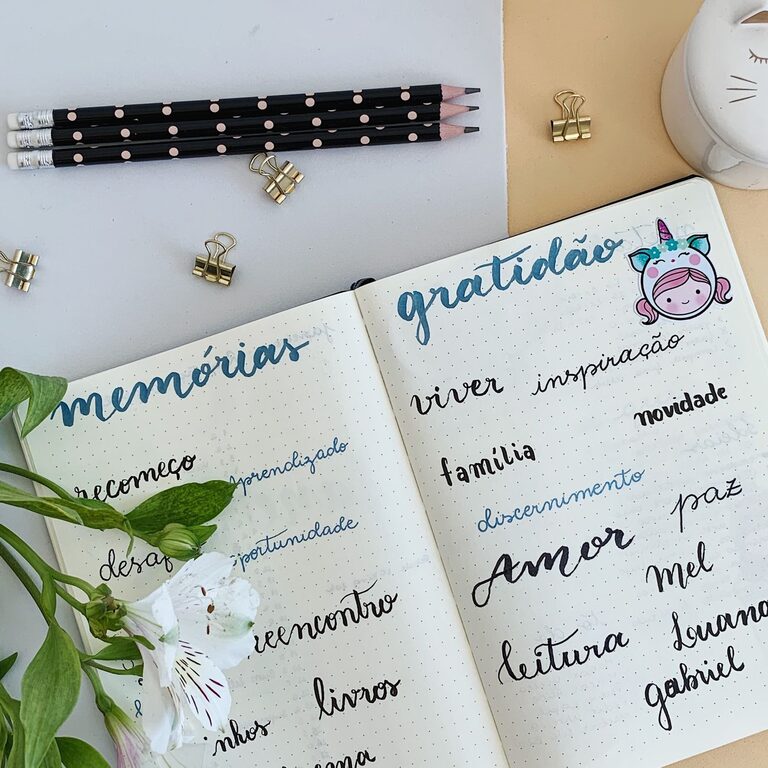
Starting a gratitude journal is a wonderful way to cultivate positivity and enhance your overall well-being. By regularly reflecting on things you are thankful for, you can shift your focus from what’s missing in life to what you have. This practice helps reduce stress, improve mood, and foster a more optimistic outlook. If you’re interested in creating your own gratitude journal but don’t know where to start, this guide will walk you through the process step by step.
What Is a Gratitude Journal?
A gratitude journal is a personal diary where you write down things you feel grateful for each day. These entries can include simple moments, people, experiences, or even challenges that taught you valuable lessons. The goal is to develop a habit of recognizing and appreciating the positives in your life.
Benefits of Keeping a Gratitude Journal
Before diving into how to start, it’s helpful to understand why gratitude journaling is beneficial:
– Improved mental health: Regularly focusing on gratitude can lower stress and reduce symptoms of anxiety and depression.
– Better sleep: Writing about gratitude before bedtime is linked to improved sleep quality.
– Stronger relationships: Expressing thanks can enhance your connections with others.
– Enhanced resilience: Gratitude helps you cope better with difficult situations.
– Increased happiness: It encourages a positive mindset that boosts overall life satisfaction.
Getting Started: What You’ll Need
Starting your gratitude journal is simple and requires minimal materials:
– A notebook or journal: Choose one you like—whether it’s a fancy leather-bound book or a simple spiral notebook.
– A pen or pencil: Pick something comfortable for writing.
– A quiet space: Find a spot where you can focus without distractions.
– A commitment: Decide on a regular time to write, such as every morning or before bed.
Step-by-Step Guide to Starting Your Gratitude Journal
Step 1: Set Your Intention
Begin by thinking about why you want to start a gratitude journal. Is it to reduce stress? Improve your mood? Simply be more mindful? Setting a clear intention will keep you motivated.
Step 2: Choose a Convenient Time
Decide when you’ll write in your journal. Many people find mornings or evenings work best, but pick a time that fits your schedule consistently.
Step 3: Start Small
You don’t need to write pages every day. Begin with listing 3 things you’re grateful for daily. This keeps the habit manageable and enjoyable.
Step 4: Be Specific
Instead of writing “I’m grateful for my family,” try to be more detailed, such as “I’m grateful for the laughter I shared with my sister today.” Specificity makes your gratitude practice more meaningful.
Step 5: Include Why You’re Grateful
Adding a brief explanation of why you appreciate something deepens your reflection. For example, “I’m grateful for my morning coffee because it gives me a peaceful start to my day.”
Step 6: Mix It Up
Your entries don’t have to be repetitive. You can include different types of gratitude, such as:
– Experiences (a walk in the park)
– People (a kind coworker)
– Personal strengths (your patience)
– Challenges (lessons learned from mistakes)
– Simple pleasures (the warmth of the sun)
Step 7: Use Prompts When Stuck
If you find it difficult to think of things to write, prompts can be helpful. Here are some examples:
– What made you smile today?
– Who are you thankful for in your life?
– What is something beautiful you noticed recently?
– What ability or skill are you grateful to have?
– What is a small victory you experienced this week?
Step 8: Review Your Entries Regularly
Every few weeks, take time to read back what you have written. This can boost your mood and reinforce positive thinking.
Tips for Maintaining Your Gratitude Journal
– Keep it accessible: Store your journal somewhere easy to reach so it becomes part of your routine.
– Make it enjoyable: Use colorful pens, stickers, or drawings if you like to make journaling fun.
– Be honest: Your gratitude journal is for you, so write authentically without judging yourself.
– Don’t stress: If you miss a day, don’t worry. Just pick it up again the next day.
– Combine with other practices: Pair journaling with meditation or deep breathing for enhanced benefits.
Digital vs. Paper Journal: Which Is Better?
Both options work well, and choosing one depends on your preferences.
– Paper journal: Writing by hand can be more mindful and personal. It also reduces screen time.
– Digital journal: Using apps or notes on your phone can be convenient and accessible anytime.
Experiment with both to see what feels right for you.
Final Thoughts
Starting a gratitude journal is an easy, effective way to brighten your days and support your mental health. The key is consistency and making the habit your own. Remember, there’s no right or wrong way to express gratitude—what matters is that you take a moment each day to acknowledge the good around you.
Give it a try today, and watch how your perspective and happiness evolve over time!